
Free Tracing Pages
Spark creativity and learning with our free printable tracing pages, designed to strengthen fine motor skills while making handwriting practice fun for all ages.
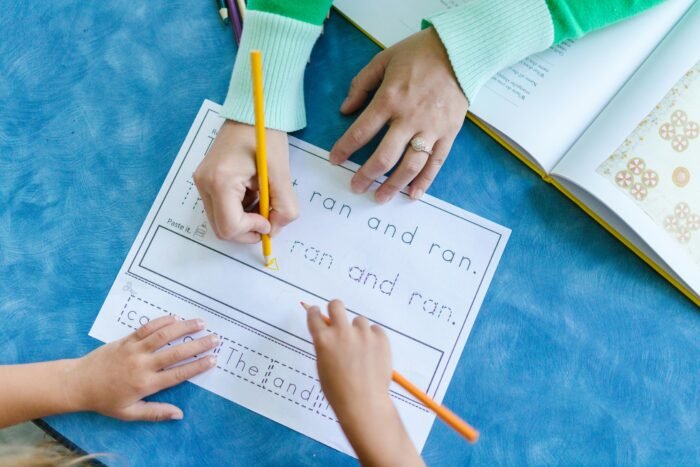
Beautifully Designed Printables
Easy, engaging, and fun for kids of all ages
Instant
Print-Ready PDFs
No sign-ups, no fuss—just download & go
Builds Focus &
Fine Motor Skills
Supports early learning through creative play
Perfect for Home or Classroom
Ideal for parents, teachers, and caregivers alike
Our Tracing Collection
Our tracing collection is packed with fun and free tracing worksheets for kids that make learning both exciting and educational. From alphabet tracing and number tracing to shapes, patterns, and simple pictures, these printable tracing pages help children practice writing while strengthening fine motor skills and hand-eye coordination. Perfect for preschoolers, kindergarteners, and early learners, our tracing activities encourage confidence with pencil control and prepare kids for successful handwriting. Parents and teachers can easily use these free printable tracing worksheets at home or in the classroom to make learning engaging and effective.
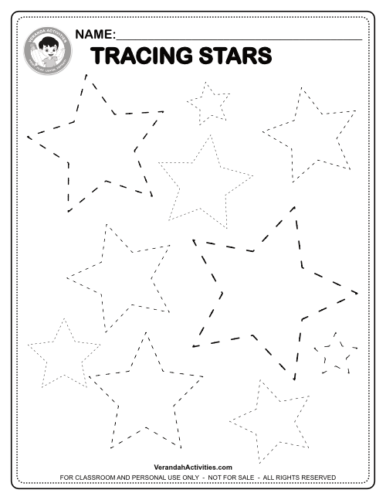
How To Download
Download our Kid Friendly worksheets! No Login Required

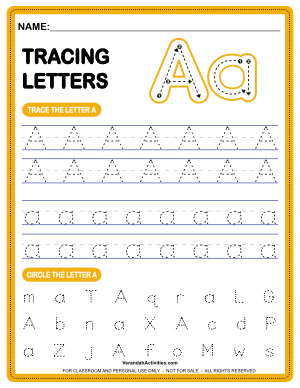
Parent & Teacher Tips
Smart Tips for Happy Little Tracers!
Number Tracing Pages

COMING SOON !!
Don’t Forget
📌 Bookmark this page to easily find us again—new tracing worksheets and fun learning tools are added regularly!
🔍 Come back often to discover fresh additions that keep tracing exciting and skill-building seamless.
📚 Explore our other pages and collections for a treasure trove of early learning resources designed for parents and teachers like you.
Share Your Creations & Ideas With Us!
We love seeing how kids bring our worksheets to life! If your child has completed one of our tracing worksheets and you’d like to share their work on our website, we’d be thrilled to feature it.
Got an idea for a new worksheet or activity you’d like to see? We’re always looking for fresh, fun ways to help little learners grow.
Frequently Asked Questions
Helpful Answers for Parents & Teachers to make learning even more fun!
Parent & Teacher Resources
Tracing is more than just a fun activity—it’s a vital step in your child’s developmental journey, helping build essential skills for handwriting, concentration, and creativity. Here’s how you can support this learning at home or in the classroom.
Developmental Milestones
& Learning Goals
Understanding your child’s fine motor growth can help you set realistic expectations for tracing skills:
Tracing helps children progress through these milestones by strengthening hand-eye coordination, visual-spatial awareness, and muscle control.
Customizing Printable Worksheets
Enhance engagement by adapting tracing activities:
- Personalized name tracing pages to foster connection and motivation.
- Here’s a concise version of your sentence suitable for a bullet point, following best practices for brevity and clarity:
- Spark creativity by mixing tracing with coloring, dot-to-dots, mazes, or pattern tracing for varied, playful challenges.
- Use printable mazes or pattern tracing to introduce early problem-solving alongside motor skills.
Tracking Progress
Help parents and teachers stay motivated with printable tracking sheets
- Use Tracking charts to log tracing practice frequency and skill improvement.
- Visual graphs/stickers highlight growth over time to encourage kids.
- Celebrate milestones with stickers, certificates, or fun rewards.
- Goal-setting sheets help kids aim high and celebrate milestones.
- Parents and teachers can observe pencil grip and tracing accuracy to guide support.
Integrating Tracing with Other Activities
Make tracing part of a broader learning routine:
- Pair tracing with storybook reading for themed learning.
- Use tracing as a warm-up before freehand drawing or writing sessions to build confidence.
- Combine tracing with hands-on crafts, such as tracing cookie cutters or nature shapes, to promote sensory play.
- Weave tracing practice into daily routines to build consistency.
Recommended Tools & Materials
The right supplies boost tracing success and comfort:
- Ergonomic pencils and crayons designed for little hands reduce fatigue.
- Non-toxic, washable markers and crayons keep learning safe and fun.
- Child-safe scissors for cutting practice complement tracing and strengthen fine motor skills.
- Dry-erase sleeves or page protectors allow repeated use and eco-friendly tracing practice.